
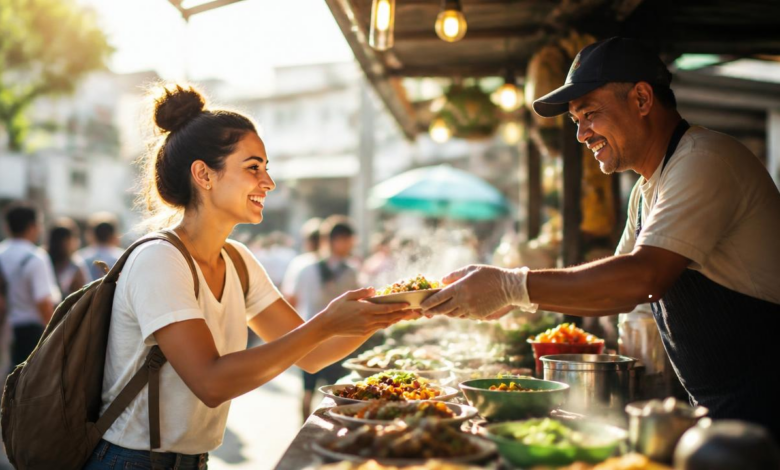
Street food offers a fantastic window into local culture, flavors, and daily life for many travelers. Imagine savoring a freshly grilled skewer at a vibrant night market or enjoying a savory empanada from a bustling sidewalk cart. These culinary adventures are often affordable, memorable, and deeply connected to the heart of a destination.
Navigating International Street Food Safely
The Allure of Global Street Food
Street food is a cornerstone of culinary tourism, frequently showcasing family recipes and regional traditions at an accessible price. It provides a genuine taste of local life, often surpassing formal dining experiences in authenticity. Travelers often plan itineraries around exploring various markets and food stalls.
Beyond taste, it’s a chance for cultural exchange. Observing a vendor preparing satay or shaping dumplings offers insight into local ingredients and techniques. These moments connect you deeply with the local community, creating unforgettable travel memories.
Understanding Potential Risks
While most street food is safe, the outdoor environment can present challenges. Food might be exposed to high temperatures, dust, or insects. Limited refrigeration and handwashing facilities for some vendors can also pose issues. Problems often arise when cooked food sits too long or when raw and ready-to-eat items cross-contaminate.
According to the World Health Organization, unsafe food remains a significant global health concern. Travelers commonly worry about bacteria like E. coli or Salmonella, viruses from poor hygiene, and parasites from contaminated water or produce.
The most frequent outcome is temporary stomach discomfort, including diarrhea, nausea, vomiting, or cramps. While usually mild, severe symptoms require prompt medical attention, especially for vulnerable individuals like children, older adults, pregnant travelers, or those with weakened immune systems.
Essential Principles for Safe Eating
Your Golden Rule: “Cook it, Peel it, Boil it, or Leave it!”
This simple yet effective advice guides safe street food choices. Prioritize foods that are thoroughly cooked and served piping hot. Opt for fruits you can peel yourself, such as oranges or bananas. Choose beverages made with boiled or sealed water. If a food doesn’t meet these criteria, exercise extra caution.
Freshly cooked items are generally the safest. High heat eliminates harmful organisms, whereas lukewarm food allows bacteria to multiply. A boiling soup or meat fresh off the grill indicates better safety than trays of food sitting warm under the sun.
This rule aims to minimize risk, not to deter you from local specialties. It encourages choosing the safest version of a dish. For instance, a hot, made-to-order noodle dish is usually safer than uncovered, pre-cut fruit.
Hydration Safety: Choosing Your Drinks Wisely
Safe travel eating also extends to your beverages. Unsafe water used for washing produce, diluting juices, or making ice is a common issue. Always choose bottled water with an unbroken seal, reliably boiled water, or drinks prepared with verified safe water.
Hot drinks like tea and coffee are generally safer due to the boiling process. Canned and bottled beverages are also good choices; remember to wipe the rim or use a straw. Be cautious with smoothies, ice-filled cocktails, or flavored ice desserts unless you are certain about the water source.
The CDC travel health guidance on food and water safety strongly advises avoiding ice from unverified sources. This simple precaution can prevent many common stomach problems for travelers.
How to Select a Trustworthy Vendor
Following the Crowd: Popularity and Turnover
One practical tip for choosing street food is to observe where locals gather. A busy stall typically indicates high ingredient turnover, meaning food is prepared frequently and doesn’t sit for long. This rapid rotation reduces the time cooked food spends in the temperature danger zone.
A long line, particularly of local patrons, often signifies trust and consistent quality. An empty stall next to bustling ones might warrant a more skeptical look, unless it’s just opening for the day. Aim to visit during peak meal times for the freshest preparations.
Observing Hygiene: Cleanliness Indicators
Before ordering, take a moment to watch the vendor. Do staff handle money and food separately? Are utensils or gloves used? Are surfaces cleaned regularly, and are raw and cooked items kept apart? These basic observations can reveal a vendor’s commitment to hygiene.
Look for clean clothing, tied-back hair, covered bins, and organized preparation areas. While hand sanitizer is useful, it doesn’t replace proper handwashing, especially after handling raw meat or cash. If the overall setup seems disorganized or unclean, it’s wise to reconsider.
Local conditions vary, but practical hygiene remains key: protected ingredients, clean tools, minimal cross-contamination, and food cooked fresh.
Inspecting the Food Itself: Freshness and Storage
Visual checks are crucial for ensuring food hygiene abroad. Does raw meat appear fresh and properly chilled? Is seafood or dairy sitting unrefrigerated in the heat? Are sauces uncovered and exposed to insects? Fresh herbs and vegetables should look vibrant, not wilted.
Temperature is vital: cold foods should be genuinely cold, and hot foods should be steaming. Merely warm items can be risky. Avoid eggs, meat, or coconut-based dishes that have been sitting out for extended periods without proper temperature control.
Note whether utensils are shared between raw and cooked foods without cleaning. Cross-contamination is a leading cause of foodborne illness, and travelers can often spot this risk firsthand.
What to Eat and What to Avoid
Safest Choices: Hot and Thoroughly Cooked
For worry-free street food, prioritize dishes cooked at high temperatures and served immediately. Excellent options include grilled skewers, stir-fried noodles, roasted corn, fried dumplings, or steaming rice dishes. Soups brought to a boil are also generally safe.
Deep-fried foods, when served right away, also pose a lower microbial risk due to the high heat. The key is temperature and prompt consumption. Food moving quickly from the heat source to your plate significantly improves safety.
Dryer foods like breads, fresh baked pastries from a busy stand, and roasted nuts can also be safer due to less water exposure. Still, consider how long they’ve been out and if they are protected from dust.
Exercise Caution: Raw Produce and Salads
Raw produce requires more careful judgment. Whole fruits you can wash and peel yourself, such as bananas or avocados, are generally safer. Pre-cut melon or pineapple from a cart carries higher risk if cut with unclean tools or washed in unsafe water.
Salads are challenging because leafy greens can harbor contaminants and are not cooked. Fresh herbs, garnishes, and raw bean sprouts also warrant caution. In regions with uncertain water quality, these items can pose more issues than a cooked main dish.
If you choose raw items, select vendors preparing them fresh with clean tools and serving them quickly. Always consider your destination, personal sensitivity, and proximity to medical assistance. For those with specific dietary needs, our guide to navigating food allergies abroad provides additional planning insights.
Foods to Generally Steer Clear Of
Certain foods inherently carry higher risks. These include raw seafood, undercooked shellfish, rare meats, unpasteurized dairy, dishes with raw eggs, and buffets left at room temperature. Thick sauces and creamy fillings can also become problematic if not kept consistently cold.
Be particularly wary of condiments left on tables all day. Chili sauces, chopped onions, relishes, and mayonnaise-based toppings can become contaminated with repeated use and warm temperatures. Freshly prepared or sealed condiments are always the safer option.
If a regional specialty falls into a high-risk category, consider trying it at a well-regarded restaurant with a strong reputation first. To continue exploring culinary delights safely, delve into global food festivals and regional delicacies for inspiration.
Personal Habits and Emergency Preparedness
Prioritizing Hand Hygiene
Your personal habits are as crucial as the vendor’s practices. Wash your hands with soap and safe water before eating whenever possible. When water is unavailable, use hand sanitizer with at least 60% alcohol, especially after using public transport or handling cash.
Carry tissues or wipes for messy meals, but remember they are not a substitute for proper handwashing. Using serving utensils for shared dishes helps minimize contact. Good hand hygiene is a primary defense against traveler’s diarrhea.
Your Essential Travel Health Kit
Even the most cautious travelers can fall ill, making a small health kit invaluable. Include oral rehydration salts, anti-diarrheal medication (if your doctor approves), a thermometer, hand sanitizer, and any essential prescribed medicines.
Hydration is paramount if symptoms arise. Vomiting and diarrhea can quickly lead to fluid loss, especially in warm climates. Oral rehydration salts are lightweight and highly effective for preventing dehydration.
When to Seek Medical Help
Mild foodborne illness often resolves with rest, fluids, and bland food. However, some symptoms demand immediate attention. Seek medical help for high fever, bloody diarrhea, severe dehydration, confusion, persistent vomiting, intense abdominal pain, or symptoms lasting over a few days.
If you recently consumed high-risk foods or are in a remote area, do not delay seeking care. Travel insurance is vital for covering clinic or hospital visits. Keep all receipts and policy details readily accessible on your phone.
Cultural Considerations and Regional Insights
Eating safely varies across regions. In humid climates, food spoilage occurs faster. While high-altitude areas may have different temperature risks, water and hygiene remain critical. Coastal regions often offer excellent seafood, emphasizing the need for freshness and proper storage.
Street food is integral to daily life in many parts of Asia, Latin America, Africa, and the Middle East, offering some of the world’s best culinary experiences. The goal isn’t avoidance, but adaptation. A sizzling wok dish in Bangkok or hot pupusas in San Salvador might be safer choices than raw garnishes or ice-heavy drinks.
Effective communication can enhance safety. Learning a few polite gestures helps when ordering thoroughly cooked food or requesting specific omissions. Our guide to essential non-verbal cues for global travelers can assist in navigating these interactions smoothly.
Avoid broad generalizations. Not every bustling market is risky, and a polished setup doesn’t guarantee safety. Sound judgment comes from combining various clues: turnover, temperature, hygiene, storage, water safety, and your personal comfort level.
A Quick Street Food Safety Checklist
Before you decide what to eat, consider these five questions:
- Is the stall popular, especially with locals? This often indicates fresh, frequently prepared food.
- Is the food cooked fresh and served hot? High temperatures kill most harmful organisms.
- Are the vendor’s hands, utensils, and surfaces reasonably clean? Basic hygiene reduces contamination risks.
- Are raw and cooked foods kept separate? Preventing cross-contamination is essential.
- Do the water, ice, and raw ingredients appear trustworthy? Safe water sources are paramount.
If you can answer yes to most of these, your chances of a safe meal significantly improve. If several answers are no, it’s best to explore other options. Another delicious and safer meal is often just steps away.
Dispelling Common Street Food Myths
One widespread myth suggests all street food is inherently unsafe. This is untrue; risk is more about handling, water quality, temperature control, and hygiene, rather than the location itself. Many street vendors operate with excellent practices.
Another myth is that if locals eat there, foreigners will be fine. Locals may possess different immunities or habits. Their patronage is a positive sign, but it shouldn’t be your sole safety indicator.
A third misconception claims spicy food eliminates all harmful elements. While delicious, spice enhances flavor, it does not guarantee protection against contaminated water, poor hygiene, or unsafe food storage temperatures.
Savor Your Culinary Journey Responsibly
Global street food safety boils down to careful observation, flexibility, and proactive preparation. There’s no need to fear every market or decline unfamiliar dishes. Instead, choose wisely, prioritize hot foods, be mindful of water and ice, and trust your instincts if something feels questionable.
When done thoughtfully, street food can become a highlight of your trip. It offers a direct and memorable connection to local life, authentic flavors, and the energy of a place. A little attention to travel health and food hygiene abroad allows you to fully embrace this experience with peace of mind.